Health, Fitness,Dite plan, health tips,athletic club,crunch fitness,fitness studio,lose weight,fitness world,mens health,aerobic,personal trainer,lifetime fitness,nutrition,workout,fitness first,weight loss,how to lose weight,exercise,24 hour fitness,

Latest Post

Some commercially prepared baby foods can contain as much sugar and unhealthy fats as junk food. A recent Congressional report has also found some of the largest commercially prepared baby food brands also contain significant levels of toxic heavy metals.1,2

Commercially prepared baby food may also contain other questionable ingredients, including genetically modified soy, synthetic vitamins, inorganic minerals and excessive levels of protein. These are packed into convenient containers of baby food, which also lack the immune-boosting nutrients found in breast milk.

Although many pediatricians continue to advise parents to feed rice cereal mixed with breastmilk or formula as a baby's first meal, I believe this is irresponsible advice. Feeding carbohydrate-packed white rice3 can set babies up for a lifetime of bad eating habits and place them at risk for diabetes.4

During processing, the vitamins, fiber and other nutrients in white rice are stripped away, leaving carbohydrates that turn to sugar and raise insulin levels. The result of this congressional review also supports a 2019 study that found toxic metal in 95% of the baby food tested and also found the neurotoxic contaminant perchlorate.5

Congressional Report Finds Heavy Metals in Baby Food

The report, published in February 2021, revealed there were significant levels of arsenic, cadmium, lead and mercury found in some of the most popular commercial baby foods on grocery store shelves. The tests were requested by the Subcommittee on Economic and Consumer Policy after receiving reports there were high levels of heavy metals in baby food.6

Products from seven manufacturers of baby foods in the U.S. were tested. Four of the companies also provided their internal test policies and results. Some companies tested the ingredients and finished products and others tested only one or the other. However, there were three companies, including Walmart, Campbell Soup company and Sprout Organic Foods, that did not cooperate.7

“The Subcommittee is greatly concerned that their lack of cooperation might be obscuring the presence of even higher levels of toxic heavy metals in their baby food products than their competitors’ products.”

Campbell Soup company sells baby food under the Plum Organics baby food brand and Walmart baby food brand is Parent's Choice. Chair of the subcommittee Raja Krishnamoorthi, D-Ill., spoke with a journalist from The Washington Post after the report was released, saying:8

“Over the last decade advocates and scientists have brought this to the attention of the Food and Drug Administration. The FDA must set standards and regulate this industry much more closely, starting now. It’s shocking that parents are basically being completely left in the lurch by their government.”

While it may have been shocking to Krishnamoorthi, it fits with past actions from the U.S. Food and Drug Administration. The report discovered that one of the dangers of testing only ingredients was in some cases the finished product tested up to 93% higher in heavy metals than when just the ingredients were tested.9

For instance, when the levels of heavy metals in Hain Celestial Group baby foods were tested, the difference in results between testing the ingredients and the finished product may have been the result of added ingredients, such as vitamin and mineral premix.10

Testing Revealed Significant Heavy Metal Levels

Arsenic is found in soil and water, poses a significant risk to human health and is the leading substance on the priority list from the Agency for Toxic Substances and Disease Registry (ATSDR).11

The Washington Post reports that only rice cereal has a maximum set for inorganic arsenic, 100 parts per billion (ppb). Yet the FDA has set “maximum allowable levels in bottled water,” which are far below the level set for baby food, at 10 ppb.12

Documents from Hain Celestial Group, makers of Earth's Best Organic baby food, showed many of the ingredients had arsenic levels as high as 309 ppb and at least 24 ingredients in the company’s baby food products measured higher than 100 ppb of arsenic.13

The second substance on the ATSDR list is lead. The Washington Post reports that to date, there is no set federal standard for lead allowed in baby food. Although some experts may believe 1 ppb is an acceptable exposure level in baby food, the American Academy of Pediatrics writes, “Lead exposure has been associated with health, learning and behavior problems, and no amount is considered safe.”14

The congressional report shows that ingredients used in Beech-Nut baby food measure as high as 886.9 ppb of lead and 483 ingredients had levels measuring over 5 ppb. Jason Jacobs, vice president of food safety, quality and innovation at Beech-Nut, commented on the results of the report, saying:15

“Beech-Nut established heavy metal testing standards 35 years ago, and we continuously review and strengthen them wherever possible. We look forward to working with the FDA, in partnership with the Baby Food Council, on science-based standards that food suppliers can implement across our industry.”

Environmental Defense Fund16 analyzed raw data from the FDA’s Total Diet study from 2014 to 2016. The analysis showed lead levels in food designed for babies and children, including teething biscuits, arrowroot cookies, carrots and sweet potatoes, were high.

They analyzed data from August 2019 and found when results for baby food were compared against samples of fruit and vegetables, baby carrots and peeled, boiled carrots had significantly lower lead levels than baby food carrot puree. In fact, 83% to 100% of samples of baby food root vegetables, crackers and cookies had detectable levels of lead.

The report17 also found high levels of cadmium and mercury in baby foods from all the companies tested and the levels tested in baby food for each of the heavy metals is “multiples higher than allowed under existing regulations for other products.” The congressional report found:18

“The test results of baby foods and their ingredients eclipse those levels: including results up to 91 times the arsenic level, up to 177 times the lead level, up to 69 times the cadmium level, and up to 5 times the mercury level.”

Does the Dose Make the Poison?

FoodNavigator-USA19 interviewed executive director of the Clean Label Project (CLP) Jackie Bowen, whose organization has been advocating for manufacturing companies to think carefully about how raw materials are sourced and what ends up on the label.

Bowen pointed out that food safety regulations in the U.S. are often focused on microbial contaminants rather than toxins. In the absence of regulatory guidance, manufacturers are left to determine what they believe is safe for release to the grocery stores.

However, as reported by The Washington Post,20 even when baby foods have tested higher than the companies’ limit set for heavy metals, the products continue to be sold to the public. In answer to the question of whether the dose makes the poison, Bowen points to the responsibility and power that consumers have.21

“Consumers are new arbiters of truth and safety with Mom's serving as the Chief Operating Officer of their households. Over the past five years, there have been at least four consumer advocacy calls to action about heavy metals in baby food. Low level of repeat exposure to heavy metals has been linked to cancer and infertility. It is past time for brands to recognize that parents expect better.

As to the old adage that the dose is the poison, contaminants like lead are the exception that proves the rule: the Environmental Protection Agency, Food and Drug Administration, the World Health Organization, the Centers for Disease Control and Prevention, the American Medical Association and the American Academy of Pediatrics have all independently stated there is no safe level of lead for children. In this case, the poison is the poison.”

Heavy Metals Have Long-Term Effect on Babies

Dan Fabricant, CEO and president of the Natural Products Association, once called the CLP’s statements on contaminants in protein powder "defamatory." He attempted to justify the toxic exposure, saying:22

"Just look at the language and how they use the term 'detectable levels.' It's all made to look very scandalous and salacious. Everything suggests implicitly that there is a critical public health issue. We believe this is bad for the brands themselves and bad for the industry."

It's important to remember that any detectable level of heavy metals is concerning since they are not easily removed by the body. A paper in the British Medical Bulletin called exposure to cadmium, lead, arsenic and mercury — the heavy metals found in many baby foods — a “main threat to human health.”23

By far the most studied of the heavy metals is lead, which has demonstrated a particular danger as a neurotoxin in children.24 Scientists have been aware of this for the last 100 years and research has focused on the effects of the poison on the developing nervous system for the past 60 years. Despite this growing body of evidence and public awareness, legislation has not been effective.

One review of the literature25 in emerging market countries reported on blood and urine concentrations of heavy metals. These were generally found to be higher than U.S. reference values. The analysis identified the health effects that were associated with this exposure.

They found associations between gestational age, birth weight and cognitive scores with levels of arsenic in the blood or urine. Children drinking arsenic contaminated water demonstrated skin lesions and different degrees of peripheral neuropathy.

With cadmium exposure, researchers found low birth weight, slightly decreased IQ and smaller head circumference. In the 55 articles focused on lead exposure, there were negative associations between measured blood levels and mental development, and neurological and behavioral test scores.

Other health conditions included low birth weight, stunted growth and aplastic anemia. Twelve studies were focused on mercury exposure and found lower mental and psychomotor developmental test scores as well as children ages 9 to 17 years with ataxia, dysdiadokinesis and pathological reflexes.

Consider Homemade Baby Foods When Possible

There is no denying that prepackaged baby foods are convenient when you are traveling. However, you do have options to lower the risk of exposure to heavy metals and other toxins by making baby food at home using organically grown and locally sourced fruits and vegetables. As I mentioned earlier, steer clear of rice paste cereals as they are high in arsenic and carbohydrates and low in nutrients.

When you make your own food at home, you also have greater control over what goes into the foods as you can select higher quality fruits and vegetables and steer clear of preservatives, additives and added sugar. It reduces food waste and it saves you money in the long run.

For instance, Happy Family Organics26 compares the price of two to three containers of baby food against that of six pears, which can be pureed for 10 or more meals. With a vegetable peeler, steamer basket and blender or food processor you have all you need to get started making and freezing baby food.

Most pediatricians recommend exclusively breastfeeding to at least 6 months of age and introducing your baby's first spoons of solid food at around 6 months.27 Making baby food at home also improves the nutrient value, since many baby food purees have a long shelf life, which may even be older than your baby.

You also can control the thickness of the puree you make at home, which helps you transition your baby from purees to solid food as they grow older. Once you finish making the food you can add it to an ice cube tray, cover it and let it freeze for at least five hours before transferring to a freezer-safe container.

Remove the food the day before and place into the refrigerator to thaw. It can also be warmed on the stovetop over medium to low heat. Just be sure to stir the food completely so there are no hot spots and test the food yourself, so you don't burn your baby's tongue.


from Articles https://ift.tt/3sio4jd
via IFTTT
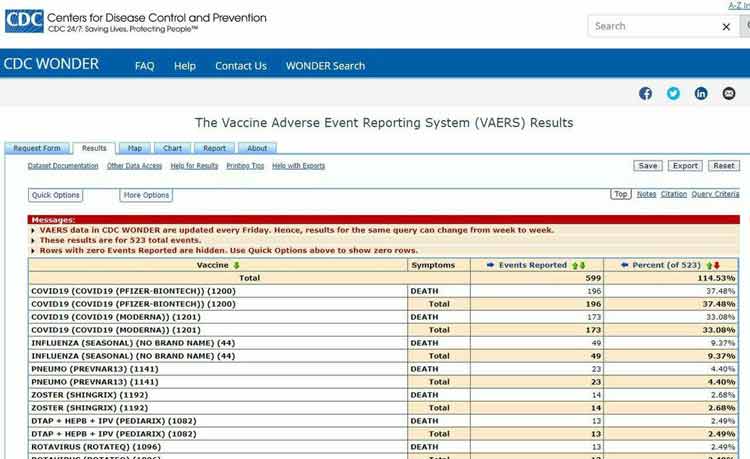
As of February 4, 2021, the U.S. Vaccine Adverse Event Reporting System (VAERS) had received 12,697 injury reports and 653 deaths following COVID-19 vaccination.1

Of the cases reported between December 14, 2020, and February 4, 2021, 3.69% were life threatening and the number of deaths account for 5.14% of the total reports. The Pfizer vaccine accounted for 58% of deaths; Moderna’s accounted for 41%.

What’s more, when you look at vaccine-related deaths between January 2020 and January 2021, you find that COVID-19 vaccines account for a staggering 70% of the annual vaccine deaths, and that’s while having been available for less than two months. The first doses of Pfizer vaccine were given in mid-December 2020,2 while Moderna’s vaccine rolled out during the last week of December 2020.3

vaers results

While these numbers are staggering, they’re likely only a tiny fraction of the actual number of adverse events. According to a U.S. Department of Health and Human Services study,4 fewer than 1% of vaccine adverse events are ever reported to VAERS.

This is primarily because VAERS reporting is voluntary. Many don’t even know it exists, or that you don’t have to be a medical professional to file a report. This would mean that there may, in reality, be over 1 MILLION COVID vaccine injuries, since 99% typically go unreported.

Report All COVID-19 Vaccine Side Effects

To address these shortcomings and monitor the public health effects of this mass vaccination campaign, the Children’s Health Defense is calling on all who have suffered a side effect from a COVID-19 vaccine to do three things:5

  1. If you live in the U.S., file a report on VAERS
  2. Report the injury on VaxxTracker.com, which is a non-governmental adverse event tracker (you can file anonymously if you like)
  3. Report the injury on the CHD website

Children Are Next

Despite the clear and present dangers of these so-called vaccines, which are in actuality gene therapy, COVID-19 vaccine makers are steamrolling ahead with trials on children as young as 6 years old.

As reported6 by the University of Oxford, which is collaborating on a COVID-19 vaccine7,8 with AstraZeneca, children between the ages of 6 years and 17 years and 8 months are eligible for participation at four U.K. centers. Those over the age of 16 do not even require a parent’s approval but can consent on their own. The remuneration for those putting their entire future at risk is £10 (about $14) per visit.

A total of 300 children are scheduled to participate, 240 of whom will receive the candidate vaccine while so-called controls will receive a meningitis vaccine. The lack of a true placebo is a red flag in and of itself, as using a vaccine as a “placebo” helps mask any number of common side effects, making the vaccine appear safer than it actually is.

The AstraZeneca vaccine has received authorization for use in the U.K. but not the U.S. Contrary to the Moderna and Pfizer vaccines authorized for use in the U.S., the AstraZeneca vaccine delivers double-stranded DNA for the SARS-CoV-2 spike protein inside a chimpanzee adenovirus.9

Moderna started testing its RNA-based gene therapy on American children between the ages of 12 and 17 back in December 2020,10 and the first Pfizer trials involving adolescents began in mid-October 2020.11 In China, Sinovac and SinoPharm trials have been enrolling children as young as 3.12

Children Do Not Need This Vaccine

Considering children are at extremely low risk of severe COVID-19, and have been shown to not be a significant vector of infection,13 why do children even need this vaccine? Dr. Robert Frenck, lead investigator of the COVID-19 vaccine trials at Cincinnati Children's Hospital, told ABC News:14

"If you wipe out the infection in the younger children, they don't spread it to the adults, and so then, you can get a big handle on disease just by targeting the younger children and getting the infection out of that age group.”

This is a standard justification, but it’s really little more than a mind game. In essence, children are being required to play Russian roulette with their health based on the premise that it will benefit the whole, but is it really reasonable to ask the youngest among us, who are at lowest risk from the infection, to sacrifice their health to, presumably, protect the elderly?

Studies15 have shown children not only very rarely transmit the disease, either between themselves or to adults, but also, if they get the disease, they virtually never suffer any serious complications. So Frenck’s argument really flies in the face of the available data. If children don’t transmit the disease, how can you get “a big handle” on it by vaccinating them?

In reality, this argument appears to be designed to coerce parents into vaccinating their children even though the public benefit from doing so is minimal. Rather than being a true public health incentive, it seems the drive to vaccinate children is more about increasing profits. Additionally, early reports suggest that the elderly also have a tendency to die shortly after the inoculation,16,17 which is raising suspicions and concern.

Adverse Effects May Take Years to Develop

In children, the side effects are likely to be less immediately noticeable, but may instead result in future health problems. In a Microbiology & Infectious Diseases paper,18 immunologist Dr. J. Bart Classen warns the mRNA jabs may instigate adverse events that take years to fully develop.19

“One such potential adverse event is prion based diseases caused by activation of intrinsic proteins to form prions. A wealth of knowledge has been published on a class of RNA binding proteins shown to participate in causing a number of neurological diseases including Alzheimer’s disease and ALS,” Classen writes.

Since research had not been done to ascertain whether mRNA gene therapy might trigger prion-based disease, Classen conducted that study. He writes:20

“Analysis of the Pfizer vaccine against COVID-19 identified two potential risk factors for inducing prion disease is humans. The RNA sequence in the vaccine contains sequences believed to induce TDP-43 and FUS to aggregate in their prion based conformation leading to the development of common neurodegerative diseases.

In particular, it has been shown that RNA sequences GGUA, UG rich sequences, UG tandem repeats, and G Quadruplex sequences, have increased affinity to bind TDP-43 and or FUS and may cause TDP-43 or FUS to take their pathologic configurations in the cytoplasm.

In the current analysis, a total of sixteen UG tandem repeats (ΨGΨG) were identified and additional UG (ΨG) rich sequences were identified. Two GGΨA sequences were found. G Quadruplex sequences are possibly present but sophisticated computer programs are needed to verify these.

The spike protein encoded by the vaccine binds angiotensin converting enzyme 2 (ACE2), an enzyme which contains zinc molecules. The binding of spike protein to ACE2 has the potential to release the zinc molecule, an ion that causes TDP-43 to assume its pathologic prion transformation.”

mRNA Vaccines Are Actually Gene Therapies

As detailed in “COVID-19 mRNA Shots Are Legally Not Vaccines,” these inoculations are more accurately described as gene therapies, and by referring to them as “vaccines,” the U.S. government is likely in violation of the 2011 U.S. Code Title 15, Section 1125,21 which regulates deceptive practices such as false descriptions in medical claims.

According to the U.S. Centers for Disease Control and Prevention,22 a vaccine is “a product that stimulates a person’s immune system to produce immunity to a specific disease, protecting the person from that disease.” Immunity, in turn, is defined as “Protection from an infectious disease,” meaning that “If you are immune to a disease, you can be exposed to it without becoming infected.”

Neither Moderna nor Pfizer claim this to be the case for their COVID-19 “vaccines.” In fact, in their clinical trials, they specify that they do not even test for immunity.

Unlike real vaccines, which use an antigen of the disease you’re trying to prevent, the COVID-19 injections contain synthetic RNA fragments encapsulated in a nanolipid carrier compound,23 the sole purpose of which is to lessen clinical symptoms associated with the S-1 spike protein, not the actual virus. 

They do not actually impart immunity or inhibit transmissibility of the disease. In other words, they are not designed to keep you from getting sick with SARS-CoV-2; they only are supposed to lessen your infection symptoms if or when you do get infected.24,25 As such, these products do not meet the medical definition of a vaccine.

Not to worry, though, the Merriam-Webster dictionary recently updated its definition of “vaccine” to include mRNA technology,26 just in time for fact checkers to be able to “debunk” the entirely factual claim of the difference between true vaccines and mRNA technology.

Crazy enough, scientists are already discussing the potential for switching out conventional vaccines that use live or attenuated viruses with this novel RNA technology.27

Considering it’s a gene therapy that turns your cells into little “bioreactors” that spit out immune system activating proteins and have no off-switch, I don’t even want to imagine what might happen if a person were to receive several different ones.

mRNA Therapy Is a Bad Idea, Especially for Children

Aside from the possibility of prion-based diseases, reviewed above, many medical experts warn that mRNA gene therapy can trigger autoimmune problems and a wide range of inflammatory conditions. As just one example, in a recent interview, Judy Mikovits, Ph.D., explained the mechanics that make injecting RNA so hazardous:

“Normally, messenger RNA is not free in your body because it's a danger signal. The central dogma of molecular biology is that our genetic code, DNA, is transcribed, written, into the messenger RNA. That messenger RNA is translated into protein, or used in a regulatory capacity … to regulate gene expression in cells.

So, taking a synthetic messenger RNA and making it thermostable — making it not break down — [is problematic]. We have lots of enzymes (RNAses and DNAses) that degrade free RNA and DNA because those are danger signals to your immune system. They literally drive inflammatory diseases.

Now you've got PEG, PEGylated and polyethylene glycol, and a lipid nanoparticle that will allow it to enter every cell of the body and change the regulation of our own genes with this synthetic RNA, part of which actually is the message for the gene syncytin …

Syncytin is the endogenous gammaretrovirus envelope that's encoded in the human genome … We know that if syncytin is expressed aberrantly in the body, for instance in the brain, which these lipid nanoparticles will go into, then you've got multiple sclerosis. 

The expression of that gene alone enrages microglia — literally inflames and dysregulates the communication between the brain microglia — which are critical for clearing toxins and pathogens in the brain and the communication with astrocytes.

It dysregulates not only the immune system, but also the endocannabinoid system, which is the dimmer switch on inflammation. We've already seen multiple sclerosis as an adverse event in the clinical trials … We also see myalgic encephalomyelitis. Inflammation of the brain and the spinal cord …”

Indeed, many of the side effects being reported are suggestive of neurological damage. Examples include severe dyskinesia (impairment of voluntary movement), ataxia (lack of muscle control) and intermittent or chronic seizures. As explained by Mikovits, these symptoms are caused by neuroinflammation, a dysregulated innate immune response, and/or a disrupted endocannabinoid system.

Another common side effect from the vaccine we’re seeing is allergic reactions, including anaphylactic shock. A likely culprit in this is PEG (polyethylene glycol), to which Mikovitz says an estimated 70% of Americans are allergic.

COVID-19 Vaccine Is an Unnecessary Risk

Overall, with reported severe side effects and deaths climbing by the hundreds every week, it’s astonishing to think that people would voluntarily risk their children in these trials. It’s even more astonishing that public health agencies are pushing for mass inoculation of children with these experimental gene therapies, when there’s no data whatsoever to assure parents that their children’s health won’t be destroyed in years to come.

I’ve said it before and I’ll say it again: I suspect this global vaccination campaign will result in an avalanche of chronic health problems and deaths so great that any talk of mandates will have to be abandoned, or rescinded if already implemented.

So, if you care about your and your family’s health, the answer may simply be to put off getting vaccinated against COVID-19 for as long as possible and wait for the inevitable truth to come to light. 

There are several prevention strategies and treatments readily available that have been shown to be highly effective, which means the need for a vaccine in the first place is nearly moot. Among them, nebulized hydrogen peroxide with iodine, which I’ve written about in previous articles, works very well.

For a refresher, see “How Nebulized Peroxide Helps Against Respiratory Infections.” Other treatments include hydroxychloroquine with zinc, ivermectin and the iMASK and MATH+ protocols, which you can learn more about in the linked articles.


from Articles https://ift.tt/3by2pN8
via IFTTT

Pepper is so common in kitchens today that it’s easy to take for granted, but this savory and spicy seasoning adds not only a powerful kick to your meals but also an impressive boost to your health.

Black pepper (Piper Nigrum L.) is native only to Kerala, India, and ancient trade is thought to have occurred between India and the West, with references to black pepper appearing in Greek and Roman texts.1 The spice trade was a highly profitable business in the ancient world, and pepper was so in demand that traders could set their prices, leading to the spice becoming a luxury item reserved for the rich.

Even today, the Dutch term “peperduur,” which means as expensive as pepper, is used to describe anything that’s extremely expensive.2 Eventually, more trade routes were established, leading pepper to make up 70% of the international spice trade.

As it became more widely available, prices dropped and it became a mainstay in cuisines throughout the world and is featured in popular spice blends such as India’s garam masala, Morocco’s ras el hanout, France’s quatre épices and Cajun and jerk blends.3

Traditionally, pepper was used as a carminative agent to help relieve gas as well as to stimulate gastric secretions.4 This “king of spices” was also valued for gastrointestinal purposes, including to relieve vomiting, abdominal pain and diarrhea. Emerging research hints that its health benefits extend far beyond this, however.5

Nine Reasons to Eat More Black Pepper

1. Antioxidant Properties — Black pepper and its main active ingredient piperine, which gives pepper its heat and pungent flavor, are powerful antioxidants, with notable free-radical scavenging activity that may offer chemoprevention and help suppress tumor growth.6 Black pepper essential oil is also rich in phenolics, flavonoids and proanthocyanidins, which have strong antioxidant activity.7

Piperine, which is also anti-inflammatory, also protects against lipid peroxidation, which may play a role in chronic diseases like cancer, liver disease, atherosclerosis and even the aging process itself.8

2. Cardiovascular Protection — With cardiovascular diseases representing the leading cause of death globally, a December 2020 systematic review published in Trends in Food Science & Technology is of tremendous relevance,9 as it found black pepper and piperine have protective effects on cardiovascular diseases.

Its key findings reveal that black pepper regulates lipid metabolism, inflammation and oxidation status, which all affect heart health, while piperine specifically targeted processes associated with atherosclerosis.

A number of additional beneficial effects from piperine were also noted, such that they suggested the substance, and black pepper, could be used as a food additive to prevent and treat cardiovascular diseases.

Its beneficial effects include preventing the uptake of oxidized low-density lipoprotein (LDL) associated with heart disease in macrophages, preventing lipid peroxidation as well as preventing inflammatory cells from adhering to the endothelial monolayer and improving the overall lipid profile. In addition, researchers explained:10

“Besides, piperine may ameliorate myocardial ischemia, cardiac injury, and cardiac fibrosis, exhibit antihypertensive and antithrombosis effect, as well as prevent arterial stenosis by inhibiting vascular smooth muscle cell proliferation.”

3. Anti-Inflammatory Properties — A 2020 study published in the Journal of Agricultural and Food Chemistry further revealed that alkaloids from black pepper have anti-inflammatory activity by activating the nuclear factor kappa B, or NF-kB pathway.11

This proinflammatory signaling pathway plays a role in the expression of proinflammatory genes like cytokines, chemokines and adhesion molecules, and “has long been considered the ‘holy grail’ as a target for new anti-inflammatory drugs.”12

4. Liver Protection — Piperine has diverse pharmacological actions, with hepatoprotectivity13 — or liver protection — among them. Research has shown piperine offers protection against liver damage induced by tertiary butyl hydroperoxide and the chemical carbon tetrachloride by reducing lipid peroxidation.

Black pepper extract also stimulates liver regeneration by restricting fibrosis,14 and an animal study showed black pepper essential oil (BPEO) improved liver health after chemical injury. The researchers stated, “BPEO can be used as potential liver health products and natural preservatives.”15

5. Anticancer — Piperine has antimutagenic and cancer-preventive effects.16 Pepper extract has been found to inhibit the development of solid tumors in mice with lymphoma as well as increase lifespan.17 Researchers noted in the Journal of Ethnopharmacology:18

“Ayurvedic and Chinese traditional medicine and tribal people use herbal preparations containing Piper nigrum fruits for the treatment of many health disorders like inflammation, fever, asthma and cancer. In Brazil, traditional maroon culture associates the spice Piper nigrum to health recovery and inflammation attenuation.”

Their study found black pepper extract had cytotoxic, antiproliferative and antitumor effects in MCF-7 breast cancer cells by inducing oxidative stress and triggering apoptosis, leading researchers to conclude “the overall data from this study are well in line with the traditional claims for the antitumor effect of Piper nigrum fruits.”19

Studies also suggest that piperine may have anticancer effects by enhancing the antioxidant system and increasing the level and activity of detoxifying enzymes.20

6. Brain Health — Piperine may be beneficial for cognitive brain functioning,21 and animal studies suggest black pepper extract significantly improves memory in rats with Alzheimer’s-like disease, likely by attenuating oxidative stress in the hippocampus brain region.22

Piperine has also been found to increase cell viability and restore mitochondrial functioning and primary neurons in cells damaged by a neurotoxic insecticide, and also has neuroprotective effects in models of Parkinson’s disease.23 Pain-relieving, anticonvulsant, antidepressant and antiseizure effects have also been noted.24

7. Antidiabetes Effects — Black pepper has multiple antidiabetes effects, including helping to improve blood sugar metabolism.25

Further, in an eight-week study involving 86 overweight subjects,26 those who consumed a combination of piperine and other bioactive food ingredients, including epigallocatechin gallate (EGCG), capsaicins and L-carnitine, had a significant decrease in insulin resistance, suggesting the ingredients “might be useful for the treatment of obesity-related inflammatory metabolic dysfunctions.”

8. Increase Nutrient Absorption — Black pepper has the unique ability to synergistically interact with nutrients, increasing their absorption.27 For instance, research shows that when EGCG from green tea is administered in combination with piperine, it increases the absorption of EGCG and helps it stay in the bloodstream longer.28

Piperine also increases the bioavailability of resveratrol and curcumin. In one study, the addition of piperine increased absorption of curcumin by 2,000%.29 Further, as noted in Medicinal & Aromatic Plants:30

"Piperine increases the absorption of many drugs and nutrients from the gastrointestinal tract by various mechanisms. It alters the membrane dynamics and increases permeability at site of absorption.

Piperine increases the serum half-lives of some substances like beta-carotene and coenzyme Q10 and decreases metabolism of many drugs by inhibiting various metabolizing enzymes ..."

This means adding black pepper to your meals may make it easier for your body to absorb the many nutrients they contain. Pepper itself also contains some nutrients, including manganese, vitamin K, fiber and iron.

9. Weight Management — Piperine blocks the formation of new fat cells,31 and when combined with capsaicin and other substances, black pepper was found to burn as many calories as taking a 20-minute walk.32 A small study involving 16 healthy adults also revealed that drinking a black pepper-based beverage had appetite-suppressing effects.33

Further, piperine's ability to inhibit new fat cells from forming, known as adipogenesis, is said to be due to downregulation of peroxisome proliferator-activated receptor gamma (PPARγ), an intracellular molecule involved in vascular and immune processes,34 making it a potential treatment for obesity-related diseases.35

Pepper Offers Too Many Benefits to Count

The health benefits of black pepper do not end here. In addition to piperine, other valuable constituents in black pepper include piperlongumine, sylvatin, sesamin, diaeudesmin piperlonguminine, pipermonaline, and piperundecalidine, each with their own unique health potential.

Black pepper has been prized since ancient times and is featured in traditional medicine, including Ayurveda. Researchers from Guru Jambheshwar University of Science and Technology in India noted:36

“It is most commonly used to treat chronic bronchitis, asthma, constipation, gonorrhea, paralysis of the tongue, diarrhea, cholera, chronic malaria, viral hepatitis, respiratory infections, stomachache, bronchitis, diseases of the spleen, cough, and tumors.”

They noted a wide range of reported pharmacological activities from black pepper, including:37

Anticancer

Antioxidant

Immunomodulatory

Antimicrobial

Antiplatelet

Antihyperlipidemic

Analgesic

Adulticidal

Melanin-inhibiting

Antidepressant

Antiamoebic

Hepatoprotective

Anti-inflammatory

Coronary vasodilation

Bioavailability-enhancing

Antifertility

Antiobesity

Larvicidal

Radioprotective

Cardioprotective

Antifungal

There’s also some evidence that suggests black pepper plays a role in gut health by altering the makeup of intestinal microbiota and possibly acting as a prebiotic.38 So, with its many beneficial properties, feel free to add pepper liberally to your meals.

For best results, choose whole peppercorns and grind them fresh when you need them. Dried peppercorns can stay fresh for three to four years, especially if stored in a cool, dark place away from direct sunlight or heat,39 however once ground pepper will gradually lose some of its flavor and potency. Ground pepper may also be adulterated with something other than black pepper.

Peppercorns are versatile in that you can use a pepper grinder to grind them to a course or fine texture, depending on your preference. You can also use them crushed, especially when using pepper in a coating. When cooking, use a hand-held mill and grind fresh peppercorn at the last moment to retain the full flavor and health potential of the essential oils.


from Articles https://ift.tt/3aLr9Tb
via IFTTT

1 Which of the following strategies will address low NAD+ levels?

  • Exercise and/or NMN and low-dose niacin supplementation

    NAD+ boosting supplements include nicotinamide riboside (NR), nicotinamide mononucleotide (NMN), nicotinamide and niacin. NMN appears to be the best, as it activates the NAD+ salvage pathway and is a direct precursor to NAD+. Lifestyle strategies such as exercise, sauna bathing, fasting, recalibrating your circadian rhythm and avoiding excessive EMFs and alcohol will also address low NAD+. Learn more.

  • Inactivity
  • Time restricted eating (TRE)
  • Sun and EMF exposure

2 Which of the following PR firms represents major companies within the technology, pharmaceutical and banking industries and is a partner of the World Economic Forum, which is leading the call for a "reset" of the global economy and a complete overhaul of our way of life?

  • WebiMax
  • Publicis Groupe

    The Publicis Groupe, a leading PR firm, represents major companies within the technology, pharmaceutical and banking industries. It is a partner of the World Economic Forum, which is leading the call for a "Great Reset" post-COVID. Learn more.

  • 5W Public Relations
  • Strategic Objectives

3 The largest COVID-19-specific mask trial to date found consistent mask wearing:

  • Consistently reduced the risk of infection by 50%
  • Consistently doubled the risk of infection
  • May reduce the risk of SARS-CoV-2 infection by as much as 46%, or increase it by 23%

    The largest COVID-19-specific mask trial to date found masks may either reduce your risk of SARS-CoV-2 infection by as much as 46%, or increase it by 23%. Either way, the vast majority — 97.9% of those who didn't wear masks, and 98.2% of those who did — remained infection free. Learn more.

  • Provided neither protection against infection nor raised the risk

4 According to psychiatrist and medical legal expert Dr. Mark McDonald, what or who is responsible for the dramatic rise in child and adolescent depression and suicidal ideation during 2020?

  • Online bullying
  • COVID-19 deaths, leaving an unprecedented number of children orphaned
  • Lockdowns canceling play and vacation time
  • Parents and other adults suffering from delusional fears about COVID-19

    According to McDonald, the fear of COVID-19 has morphed and evolved into a form of mass delusional psychosis that threatens the psychological health of children. Treating the children's trauma in therapy is not going to be enough, as parents and other adults are the ones creating the trauma by their own exaggerated fear response. To heal a generation of traumatized children, we must first address the psychosis of the adult population. Learn more.

5 According to most experts familiar with PCR testing, at which cycle threshold does the test cease to be scientifically justifiable?

  • 17%
  • 25%
  • 35%

    The scientific consensus states anything over 35 CTs is scientifically unjustifiable as it produces enormous amounts of false positives. According to an April 2020 study, a CT of 17 must be used to obtain 100% confirmed real positives. Learn more.

  • 45%

6 Who wrote the book "Brave New World?"

  • Aldous Huxley

    Aldous Huxley wrote "Brave New World," a nightmarish vision of a future society known as the "World State," ruled by science and efficiency, where emotions and individuality have been eradicated and personal relationships are few. Huxley argues that in order to create the dystopian future presented in his book, you have to centralize wealth, power and control. Hence the way to protect against it is to insist on decentralization. Learn more.

  • George Orwell
  • Eric Blair
  • Mike Wallace

7 Nebulized hydrogen peroxide improves symptoms of COVID-19 by:

  • Increasing glutathione production
  • Killing viruses, improving oxygenation and optimizing the redox pathway

    Hydrogen peroxide is a topical disinfectant that kills viruses on contact. It's also an oxidative therapy that stimulates the redox pathway, thereby stimulating energy production and repair cells. It also improves oxygenation and may have a detoxifying effect on your lungs. Learn more.

  • Boosting viral replication and increasing blood clotting
  • Making your body produce antibodies in response to viral proteins


from Articles https://ift.tt/3pPMXBn
via IFTTT

Vitamin D plays an important role in most diseases, including infectious disease, which is why from the very beginning of the COVID-19 pandemic, I suspected that optimizing vitamin D levels among the general population would significantly lower COVID-19 incidence and death.

Since then, mounting evidence reveals this is indeed the case, as researchers have repeatedly demonstrated that higher vitamin D levels reduce rates of positive tests, hospitalizations and mortality related to this infection.

Vitamin D3 Reduces ICU Admissions and Mortality

Most recently, a Spanish study1,2 (which has yet to undergo peer-review) found giving supplemental vitamin D3 (calcifediol) to hospitalized patients with PCR-confirmed COVID-19 reduced ICU admissions by 82% and mortality by 64%.3 People who already had higher vitamin D at baseline were 60% less likely to die.

The study included 930 patients, 551 of whom received vitamin D3 — 532 micrograms on the first day of admission followed by 266 mcg on days 3, 7, 15 and 30. The remaining 379 patients served as controls.

All were given standard of care, which included hydroxychloroquine and an antibiotic (or two antibiotics in cases where bacterial infections were diagnosed), plus a steroid in cases involving pulmonary inflammation and/or cytokine storm.4 As reported by the authors:5

“ICU assistance was required by 110 (11.8%) participants. Out of 551 patients treated with calcifediol at admission, 30 (5.4%) required ICU, compared to 80 out of 379 controls (21.1%).

Logistic regression of calcifediol treatment on ICU admission, adjusted by age, gender, linearized 25(OH)D levels at baseline, and comorbidities showed that treated patients had a reduced risk to require ICU (RR 0.18).

Baseline 25(OH)D levels inversely correlated with the risk of ICU admission (RR 0.53). Overall mortality was 10%. In the Intention-to-treat analysis, 36 (6.5%) out of 551 patients treated with calcifediol at admission died compared to 57 patients (15%) out of 379 controls.

Adjusted results showed a reduced mortality for more of 60%. Higher baseline 25(OH)D levels were significantly associated with decreased mortality (RR 0.40).

Age and obesity were also predictors of mortality. Interpretation: In patients hospitalized with COVID-19, calcifediol treatment at the time of hospitalization significantly reduced ICU admission and mortality.”

Renewed Calls for Vitamin D Recommendations

In response to the Spanish findings, British MP David Davis tweeted that "The findings of this large and well conducted study should result in this therapy being administered to every COVID patient in every hospital in the temperate latitudes,” adding that:6

“Since the study demonstrates that the clear relationship between vitamin D and COVID mortality is causal, the U.K. government should increase the dose and availability of free vitamin D to all the vulnerable groups. These approaches will save many thousands of lives. They are overdue and should be started immediately."

Many others are also calling for official vitamin D recommendations to be issued by their governments. Among them, Emer Higgins,7 a member of the Irish political party Fine Gael, who called on the Irish health minister, Stephen Donnelly, to include vitamin D supplementation in its “Living with COVID-19” strategy, slated for launch at the end of February 2021.

Higgins leaned on evidence from the Irish Covit-D Consortium,8 which shows vitamin D helps optimize your immune response. “There is negligible risk in this strategy and potentially a massive gain,” she said. According to the Covit-D Consortium, the nutrient can lower the risk of death from COVID-19 in the elderly by as much as 700%.9

Low Vitamin D Linked to COVID-19 Outbreaks and Severity

Another recent study10 published in the journal Scientific Reports confirmed vitamin D is a contributing factor to COVID-19 outbreaks and infection severity. According to the authors, the surges in daily positive test results during the fall of 2020 in 18 European countries linearly correlate with latitude, and hence sun exposure and vitamin D levels. They point out that:

“The country surge date corresponds to the time when its sun UV daily dose drops below ≈ 34% of that of 0° latitude. Introducing reported seasonal blood 25-hydroxyvitamin D (25(OH)D) concentration variation into the reported link between acute respiratory tract infection risk and 25(OH)D concentration quantitatively explains the surge dynamics ...

The date of the surge is an intrapopulation observation and has the benefit of being triggered only by a parameter globally affecting the population, i.e. decreases in the sun UV daily dose.

The results indicate that a low 25(OH)D concentration is a contributing factor to COVID-19 severity, which, combined with previous studies, provides a convincing set of evidence.”

While it’s well-recognized that most elderly individuals are deficient in vitamin D, the problem is widespread in all age categories, including children.

As noted in a February 2021 study11 comparing vitamin D levels in breast milk collected in 1989 and 2016/2017, vitamin D concentrations are consistently higher during the summer, but overall, vitamin D levels have declined since 1989. As a result, pregnant and lactating mothers and their infants may require vitamin D supplementation for optimal health.

Vitamin D Is Crucial for Optimal T Cell Responses

One of the reasons why vitamin D is so important against COVID-19 has to do with its influence on T cell responses. Animal research12 published in 2014 explained how vitamin D receptor signals regulate T cell responses and therefore play an important role in your body’s defense against viral and bacterial infections.

As noted in that study, when vitamin D signaling is impaired, it significantly impacts the quantity, quality, breadth and location of CD8 T cell immunity, resulting in more severe viral and bacterial infections.

What’s more, according to a December 11, 2020, paper13 in the journal Vaccine: X, high-quality T cell response actually appears to be far more important than antibodies when it comes to providing protective immunity against SARS-CoV-2 specifically:14

“The first SARS-CoV-2 vaccine(s) will likely be licensed based on neutralizing antibodies in Phase 2 trials, but there are significant concerns about using antibody response in coronavirus infections as a sole metric of protective immunity.

Antibody response is often a poor marker of prior coronavirus infection, particularly in mild infections, and is shorter-lived than virus-reactive T-cells …

Strong antibody response correlates with more severe clinical disease while T-cell response is correlated with less severe disease; and antibody-dependent enhancement of pathology and clinical severity has been described.

Indeed, it is unclear whether antibody production is protective or pathogenic in coronavirus infections. Early data with SARS-CoV-2 support these findings. Data from coronavirus infections in animals and humans emphasize the generation of a high-quality T cell response in protective immunity.”

The authors go on to state that epitopes associated with SARS-CoV2 have been identified on CD4 and CD8 T-cells in the blood from patients who have successfully recovered from COVID-19, and that these epitopes “are much less dominated by spike protein than in previous coronavirus infections.”15

As a refresher, aside from SARS-CoV-2, there are six other coronaviruses known to cause respiratory disease in humans:16

  • Types 229E, NL63, OC43 and KHU1 are quite common and cause mild to moderate respiratory infections such as the common cold.
  • SARS-CoV (Severe Acute Respiratory Syndrome coronavirus), associated with severe respiratory illness.17,18
  • MERS-CoV (Middle East Respiratory Syndrome coronavirus) which, like SARS, causes more severe respiratory infections than the four common coronaviruses.19

Understanding the Role of Epitopes

What do they mean by “epitopes associated with SARS-CoV2 have been identified on CD4 and CD8 T-cells”? Epitopes20 are sites on the virus that allow antibodies or cell receptors in your immune system to recognize it. This is why epitopes are also referred to as “antigenic determinants,” as they are the part that is recognized by an antibody, B-cell receptor or T-cell receptor.

Most antigens — substances that bind specifically to an antibody or a T-cell receptor — have several different epitopes, which allow it to be recognized by several different antibodies. Importantly, some epitopes can cause autoimmunological pathogenic priming if you’ve been previously infected with SARS-CoV-2 or exposed via a COVID-19 vaccine.21

In other words, if you’ve had the infection once, and get reinfected (either by SARS-CoV-2 or a sufficiently similar coronavirus), the second bout has the potential to be more severe than the first. Similarly, if you get vaccinated and are then infected with SARS-CoV-2, your infection may be more severe than had you not been vaccinated.

For this reason, “these epitopes should be excluded from vaccines under development to minimize autoimmunity due to risk of pathogenic priming,” a recent paper22 in the Journal of Translational Autoimmunity warns.

One of the reasons why mRNA gene therapy “vaccines” are causing so many problems may in fact be because they have failed to “screen out unsafe epitopes to reduce autoimmunity due to homology between parts of the viral protein and the human proteome,” according to that Journal of Translational Autoimmunity paper.23

Natural SARS-CoV-2 Infection Induces Broad Epitope Coverage

The authors of the Vaccine: X paper point out that while most COVID-19 gene therapy “vaccines” focus on the SARS-CoV-2 spike protein as a natural antigen, “natural infection by SARS-CoV-2 induces broad epitope coverage, cross-reactive with other betacoronviruses.”

Indeed, this has been demonstrated in a number of studies, including a Singaporean study24,25,26 that found common colds caused by the betacoronaviruses OC43 and HKU1 might make you more resistant to SARS-CoV-2 infection, and that the resulting immunity might last as long as 17 years.

In other words, if you’ve beat a common cold caused by a OC43 or HKU1 betacoronavirus in the past, you may have a 50/50 chance of having defensive T-cells that can recognize and help defend against SARS-CoV-2. What the Vaccine: X authors are basically warning about is that the so-called vaccines are unlikely to provide the same level of immunity as natural infection does, and may even cause pathogenic priming.

Vitamin D Speeds Viral Clearance

Other research,27 published in November 2020 in the Postgraduate Medical Journal, shows oral vitamin D supplementation also helps speed up SARS-CoV-2 viral clearance. This study included only asymptomatic or mildly symptomatic SARS-CoV-2-positive individuals who also had vitamin D deficiency (a vitamin D blood level below 20 ng/mL).

Participants were randomly assigned to receive either 60,000 IUs of oral cholecalciferol (nano-liquid droplets) or a placebo for seven days. The target blood level was 50 ng/mL. Anyone who had not achieved a blood level of 50 ng/mL after the first seven days continued to receive the supplement until they reached the target level.

Periodically, all participants were tested for SARS-CoV-2 as well as fibrinogen, D-dimer, procalcitonin and CRP, all of which are inflammatory markers. The primary outcome measure of the study was the proportion of patients testing negative for COVID-19 before Day 21 of the study, as well as changes in inflammatory markers. As reported by the authors:28

“Forty SARS-CoV-2 RNA positive individuals were randomized to intervention (n=16) or control (n=24) group. Baseline serum 25(OH)D was 8.6 and 9.54 ng/mL, in the intervention and control group, respectively.

10 out of 16 patients could achieve 25(OH)D>50 ng/ml by day-7 and another two by day-14 … 10 (62.5%) participants in the intervention group and 5 (20.8%) participants in the control arm became SARS-CoV-2 RNA negative. Fibrinogen levels significantly decreased with cholecalciferol supplementation unlike other inflammatory biomarkers.

[A] greater proportion of vitamin D-deficient individuals with SARS-CoV-2 infection turned SARS-CoV-2 RNA negative with a significant decrease in fibrinogen on high-dose cholecalciferol supplementation.”

More Evidence Vitamin D Impacts COVID-19

If you haven’t already gone to the free website I created to educate the world about vitamin D, please do now. It’s www.stopcovidcold.com. You can download the free condensed version of the paper I had published last year that is easier to read and full of graphics to illustrate the information.

October 31, 2020, my own vitamin D review,29 co-written with William Grant, Ph.D., and Dr. Carol Wagner, both of whom are part of the GrassrootsHealth expert vitamin D panel, was published in the peer-reviewed journal Nutrients. You can read the paper for free on the journal’s website.

As noted in that paper, dark skin color, increased age, pre-existing chronic conditions and vitamin D deficiency are all features of severe COVID disease, and of these, vitamin D deficiency is the only factor that is readily and easily modifiable.

You may be able to reverse chronic disease, but that typically takes time. Optimizing your vitamin D, on the other hand, can be achieved in just a few weeks, thereby significantly lowering your risk of severe COVID-19.

In our paper, we review several of the mechanisms by which vitamin D can reduce your risk of COVID-19 and other respiratory infections, including but not limited to the following:30

  • Reducing the survival and replication of viruses31
  • Reducing inflammatory cytokine production
  • Maintaining endothelial integrity — Endothelial dysfunction contributes to vascular inflammation and impaired blood clotting, two hallmarks of severe COVID-19
  • Increasing angiotensin-converting enzyme 2 (ACE2) concentrations, which prevents the virus from entering cells via the ACE2 receptor — ACE2 is downregulated by SARS-CoV-2 infection, and by increasing ACE2, you also avoid excessive accumulation of angiotensin II, a peptide hormone known to increase the severity of COVID-19 

Vitamin D is also an important component of COVID-19 prevention and treatment for the fact that it:

  • Boosts your overall immune function by modulating your innate and adaptive immune responses
  • Reduces respiratory distress32
  • Improves overall lung function
  • Helps produce surfactants in your lungs that aid in fluid clearance33
  • Lowers your risk of comorbidities associated with poor COVID-19 prognosis, including obesity,34 Type 2 diabetes,35 high blood pressure36 and heart disease37

Data from 14 observational studies — summarized in Table 1 of our paper38 — suggest that vitamin D blood levels are inversely correlated with the incidence and/or severity of COVID-19, and the evidence currently available generally satisfies Hill’s criteria for causality in a biological system.39 Our paper40 also details several features of COVID-19 that suggest vitamin D deficiency is at play in this illness.

How to Optimize Your Vitamin D

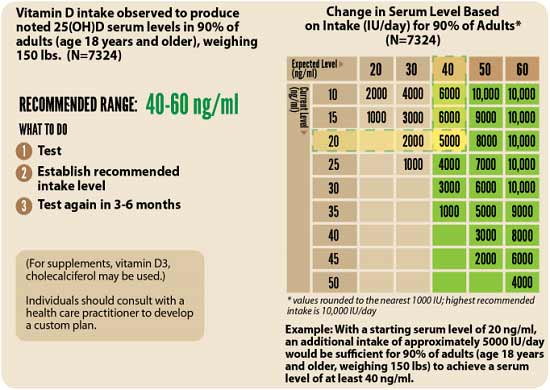
While most people would probably benefit from a vitamin D3 supplement, it’s important to get your vitamin D level tested before you start supplementing. The reason for this is because you cannot rely on blanket dosing recommendations. The crucial factor here is your blood level, not the dose, as the dose you need is dependent on several individual factors, including your baseline blood level.

Data from GrassrootsHealth’s D*Action studies suggest the optimal level for health and disease prevention is between 60 ng/mL and 80 ng/mL, while the cutoff for sufficiency appears to be around 40 ng/mL. In Europe, the measurements you’re looking for are 150 to 200 nmol/L and 100 nmol/L respectively.

I’ve published a comprehensive vitamin D report in which I detail vitamin D’s mechanisms of action and how to ensure optimal levels. I recommend downloading and sharing that report with everyone you know. A quick summary of the key steps is as follows:

1. First, measure your vitamin D level — One of the easiest and most cost-effective ways of measuring your vitamin D level is to participate in the GrassrootsHealth’s personalized nutrition project, which includes a vitamin D testing kit.

Once you know what your blood level is, you can assess the dose needed to maintain or improve your level. If you cannot get enough vitamin D from the sun (you can use the DMinder app41 to see how much vitamin D your body can make depending on your location and other individual factors), then you’ll need an oral supplement.

2. Assess your individualized vitamin D dosage — To do that, you can either use the chart below, or use GrassrootsHealth’s Vitamin D*calculator. To convert ng/mL into the European measurement (nmol/L), simply multiply the ng/mL measurement by 2.5. To calculate how much vitamin D you may be getting from regular sun exposure in addition to your supplemental intake, use the DMinder app.42

Vitamin D-Serum Level

3. Retest in three to six months — Lastly, you’ll need to remeasure your vitamin D level in three to six months, to evaluate how your sun exposure and/or supplement dose is working for you.

Take Your Vitamin D With Magnesium and K2

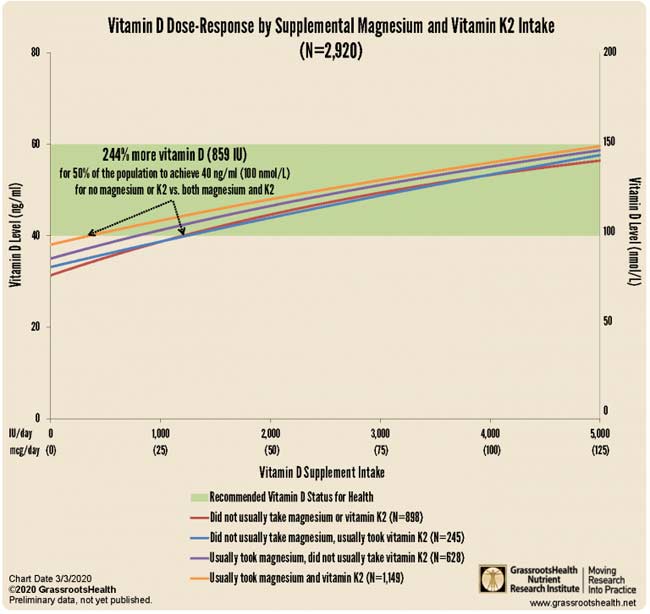
As detailed in “Magnesium and K2 Optimize Your Vitamin D Supplementation,” it’s strongly recommended to take magnesium and K2 concomitant with oral vitamin D. Data from nearly 3,000 individuals reveal you need 244% more oral vitamin D if you’re not also taking magnesium and vitamin K2.43

What this means in practical terms is that if you take all three supplements in combination, you need far less oral vitamin D in order to achieve a healthy vitamin D level.

Vitamin D Dose-Response


from Articles https://ift.tt/3s9RHmG
via IFTTT

MKRdezign

Contact Form

Name

Email *

Message *

Powered by Blogger.
Javascript DisablePlease Enable Javascript To See All Widget