What Mothers Should Know About COVID and COVID-19 Vaccine for Children
On March 11, 2022, CDC researchers released results of a small study in children 5 to 15 years old, who had received two doses of the Pfizer mRNA COVID vaccine. The study’s conclusion, which included many caveats, was that there was reduction of COVID disease in just 31% of children aged 5 to 11 years compared to 59% in children 12 to 15 years old.
Despite questionable disease risk reduction from their own data, the recommendation was that all children as young as 5 years old should get the vaccine.1
Even though fathers are spending more time sharing the raising of children with mothers today,2 national surveys show that women with minor children still remain the primary child care givers in America.3,4
The ones who usually take children to doctors, mothers on the front line are soon expected to make decisions about giving babies as young as 6 months old the new genetically engineered Pfizer COVID-19 vaccine when the FDA predictably approves it for emergency use this spring.5,6
Public health officials want doctors to give the mRNA vaccine, which forces the body’s cells to manufacture the SARS-CoV-2 spike protein, to the most vulnerable age group,7 the tiny babies and young children under 5 years old, whose immune systems and brains are not yet fully developed.8,9,10 It is an age group that mothers historically have been the most responsible for nurturing and protecting from harm.
Fastest Development of An Experimental Shot in History
The targeting of infants and toddlers for COVID vaccination comes two years after the U.S. government declared a coronavirus public health emergency in January 202011 and then gave Pfizer and six other drug companies $9 billion to manufacture a coronavirus vaccine at warp speed.12
Most vaccines take at least 10 years to go through the development and testing licensing process before being approved by the U.S. Food and Drug Administration for distribution.13
Pfizer spent just 248 days testing their experimental COVID vaccine using a never-before licensed technology, which injects synthetic mRNA encapsulated in lipid nanoparticles into the body to induce cells to make the SARS-CoV-2 spike protein and become — in the words of the World Economic Forum — “vaccine production plants.”14,15
In December 2020, the FDA granted Pfizer and its German corporation partner BioNTech, an Emergency Use Authorization — or EUA — to release the unlicensed mRNA vaccine for use by every person over 16 years old.16,17 That EUA was quickly followed six months later by one for children as young as 12,18 then five months later with authorization for children as young as 5.19
It is the fastest development and mass administration of an experimental vaccine to healthy humans in history,20 and the first vaccine to be distributed and recommended for mass use under an Emergency Use Authorization.21 Although the FDA fully licensed Pfizer’s Comirnaty vaccine in August 2021 as “safe, pure and potent” for 16-year-olds,22 it still is not officially licensed for children younger than that.
FDA’s Emergency Use Authorization Comes With Big Assumptions
By February 2022, only about 55% of children over age 12 in America had gotten two doses of the Pfizer COVID vaccine, while just 30% of 5- to 11-year-olds had received at least one dose.23
Perhaps mothers are not impressed with the dodgy rationale FDA officials used to justify handing Pfizer an EUA using vague language with large assumptions like it is “reasonable to believe” the vaccine “may be effective” and “reasonable to conclude based on the totality of the scientific evidence available” that the “known and potential benefits ... outweigh the known and potential risks of the vaccine.”24
Those kinds of sweeping caveats clearly demonstrate that an EUA allows a lower standard for scientific evidence of the product’s safety and effectiveness than full licensure.25 In fact, it is not unreasonable to conclude that the Pfizer COVID vaccine is still an investigational product, still experimental whenever it is given to a child under 16 years old.26,27
So far, parents in America are split down the middle when it comes to the idea of giving young children Pfizer’s new COVID-19 vaccine. Half of parents28 are uncomfortable with injecting synthetic mRNA coated in lipid nanoparticles into the cells of their child’s body, which is supposed to prevent a bad case of COVID disease — but not necessarily prevent their child from being infected with the virus and transmitting it to others.29,30
With researchers finding that many SARS-CoV-2 infections in young children are asymptomatic and go undetected,31 and with evidence that natural immunity from infection is broad and persistent,32,33 parents are asking legitimate questions about why their young children are candidates for this vaccine.
A recent survey found that half of parents were worried about (1) whether the vaccine has been studied long enough in children; (2) whether there are long term side effects; (3) whether the vaccine’s experimental mRNA technology is safe; (4) whether the vaccines work, and (5) the effect of short-term side effects.34
Research published in February 2022 revealed that one-third of parents say they will “wait and see” before vaccinating a child under 5 years old and 26% say they will “definitely not” allow their infant or toddler to receive the COVID vaccine.35
With the majority of parents worried about whether Pfizer’s COVID vaccine carries unacceptable risks, is effective, or is necessary for their child, what kind of information about COVID disease and the vaccine is being given to mothers taking children to pediatricians around the country?
Are Moms Being Given Complete Information About COVID Shots?
Is the information accurate and complete? Are pediatricians treating mothers with respect and allowing them to exercise voluntary informed consent to COVID vaccination on behalf of a minor child, or are mothers being threatened and punished if they say, “no thanks?”36 How many doctors plan to deny medical care to children when their mothers decline the COVID vaccine?
A 2020 study reported that more than half of U.S. pediatricians refuse to care for a child if their mothers decline to give the child even one of the four dozen doses of other vaccines CDC officials insist all children must get before age 6.37,38,39,40
To stop mothers from being able to exercise informed consent to vaccination on behalf of their children, medical trade associations have lobbied state legislatures to pass laws giving doctors permission to extract consent for any type of vaccination from children as young as 11 years old without the knowledge of their parents41 and, in 2020, the District of Columbia was the first to pass that kind of law.42,43
Five states (Alabama, Oregon, South Carolina, North Carolina and Rhode Island) have passed laws to give doctors the power to persuade children between 14 and 16 years old to get COVID vaccine without telling parents.44
If you cringe thinking about whether your 11-year-old or teenager is intellectually, psychologically and emotionally equipped to accurately weigh the potential benefits and risks of a vaccine and resist the pressure from a doctor telling them what to do,45 you are not alone.
As a co-founder of the charitable National Vaccine Information Center established in 1982 to prevent vaccine injuries and deaths through public education,46 I have never been more concerned about a new vaccine the government wants doctors to give to every infant and child.
As a mother of three and now a grandmother, as a college-educated woman who completely trusted my pediatrician when I took my healthy 2.5-year-old son for a DPT shot in 1980 and then watched him suffer a convulsion, collapse and brain inflammation reaction that put him in a special education classroom,47 I urge all mothers to become fully informed about the SARS-CoV-2 infection and the COVID-19 vaccine before making a vaccination decision for a child of any age.
All Vaccines Come With Two Risks
Vaccines are pharmaceutical products that come with two risks: a risk the vaccine will cause a reaction that could cause harm, and a risk the vaccine will fail to protect against infection and transmission of a disease that could cause harm.
Because we are all individuals born with different genes and environmental influences, the risks for disease complications or vaccine complications can be greater for some, depending upon genetic, epigenetic, environmental and other biological factors unique to the individual.48,49,50,51
If the risks of COVID vaccination turn out to be 100% for your child — whether it is because the vaccine causes a severe reaction or fails to prevent severe complications of the disease — you should know that in June 2020, Congress completely shielded vaccine manufacturers and anyone administering the COVID vaccine from product liability and malpractice lawsuits in civil court.52,53 So whatever happens, you will be on your own.
At the National Vaccine information Center, we do not make vaccine use recommendations, but we do defend without compromise the human right to exercise voluntary, informed consent to medical risk-taking.54 You have the moral right and should have the legal right to accept or refuse a vaccine for yourself or your minor child without being sanctioned in any way.55
This commentary offers an overview of COVID disease and the vaccine, with a focus on the genetically engineered messenger mRNA COVID vaccine manufactured by Pfizer being recommended for children by federal government officials and medical trade associations in the U.S. I encourage you to check out the library of over 200 live-linked references anchoring this commentary on NVIC.org to verify the content and do your own research.
Most Coronaviruses Cause Mild Symptoms Like the Common Cold
Coronaviruses are a group of diverse, single stranded RNA viruses that have been around for thousands of years and infect animals, as well as humans.
Coronaviruses usually cause mild respiratory and gastrointestinal symptoms like those of the common cold,56 with the exception of Severe Acute Respiratory Syndrome (SARS) that emerged in China in 2002, and the coronavirus causing Middle East Respiratory Syndrome (MERS) identified in Jordan and Saudi Arabia in 2012 - both of which had high mortality rates.57
About 20% of cold or flu-like upper respiratory infections each year are caused by coronaviruses and there is evidence that many people already have at least partial natural immunity to common coronavirus infections.
Some researchers think this may be one reason why the current SARS-CoV-2 infection is asymptomatic or mild for most healthy children and many adults,58 and why COVID-19 tests can generate false positive results because the tests pick up evidence of previous coronavirus infections.59,60
Controversy Over Origins of COVID, Shot Effectiveness, Safety
Since early 2020, public health officials have insisted that the SARS-CoV-2 virus spontaneously jumped into a human out of a bat at a wet food market in China and the only way to end the pandemic is to lock down, mask up, and require everyone to be vaccinated.61,62,63,64,65,66 There are prominent scientists, doctors, ethicists, attorneys, lawmakers and journalists around the world, who disagree with that view. They point out there is compelling evidence:
- that the SARS-CoV-2 virus was created in a lab and top health officials did not want the public to know about it;67,68,69,70
- that fast tracked mRNA COVID vaccines have not been thoroughly tested by drug companies, which have failed to release all the clinical trial data, and both the companies and public health officials are downplaying serious vaccine-related reactions and deaths;71,72,73,74,75,76,77
- that the most widely-used mRNA COVID manufactured by Pfizer and Moderna may prevent serious disease complications, but vaccinated people can still get infected with and transmit the new coronavirus to other people,78 and any temporary protection from COVID disease wanes quickly after vaccination;79
- that the SARS-CoV-2 infection is mostly asymptomatic or mild in healthy children and young adults80 and that naturally acquired immunity is equal to or broader and longer lasting than COVID vaccine acquired artificial immunity;81,82,83,84 and
- that governments have done more harm than good by locking down societies and creating masking and vaccine mandates;85,86,87,88,89,90,91
Here are four questions you need to keep in mind when you are making a COVID-19 vaccine decision for your minor child:
1. HOW SERIOUS IS COVID-19 DISEASE IN CHILDREN?
By February 2022, the new coronavirus had evolved from the original alpha variant that human populations had no immunological experience with, to the more transmissible and severe Delta variant that emerged in the summer of 2021, to the Omicron variant that became dominant in late 2021.92
Omicron is highly contagious but causes fewer complications and hospitalizations than Delta,93 and there is speculation that the fact so many people have developed various degrees of natural immunity to SARS-CoV-2 is one reason why hospitalizations and deaths are coming down in the U.S.94,95
As of February 14, 2022, COVID-19 death rates reported by states in the previous seven days ranged from 0.26 to about 1.5 deaths per 100,000 people.96
To put the worst case 1.5 COVID-related deaths per 100,000 people rate into perspective, the annual death rate for some of the leading causes of death in the U.S. in 2014 were: 193 deaths per 100,000 for heart disease; 186 per 100,000 for cancer; 46 per 100,000 for chronic respiratory disease; 24 per 100,000 for diabetes; 15 per 100,000 for drug overdoses.97
Severe COVID Most Likely in Chronically Ill People Over 65
At the outset of the coronavirus pandemic, it became obvious that most of the serious complications of COVID-19 disease leading to hospitalizations and death do not occur in children or healthy young adults, but in people over age 65, especially if they have one or more chronic health problems.
In 2020, researchers projected that about 45 percent of the U.S. adult population was at increased risk for complications from SARS-CoV-2 infections because of underlying heart or respiratory disease, diabetes, hypertension and cancer.98
One big study sponsored by the CDC looked at the connection between underlying medical conditions and severe illness among more than 500,000 adults with COVID-19 admitted to 800 US hospitals in 2020 and 2021. Researchers found that 95 percent of adult COVID patients had at least one underlying poor health condition like high blood pressure and obesity.99 The strongest risk factors for death were obesity, anxiety and fear disorders, and diabetes with complications.
Children with chronic health problems are also at risk for COVID disease complications. The CDC states on its website that, “In the United States, more than 40% of school-aged children and adolescents have at least one chronic health condition, such as asthma, obesity, other physical conditions, and behavior/learning problems.”100
Most Serious COVID-19 Occurs in Chronically Ill Children
A large cross-sectional study funded by the CDC examined the health records of more than 43,000 patients under the age of 18 with a COVID diagnosis who visited the emergency room or were admitted to 900 US hospitals in 2020 or January 2021.101
The median age of child COVID patients was 12 years old. Researchers found that about 29 percent of the child COVID patients had underlying chronic conditions like asthma; obesity; and neurodevelopmental, depressive, anxiety and fear-related disorders.
The strongest risk factors for hospitalization were type 1 diabetes and obesity. The strongest risk factors for severe COVID illness were type 1 diabetes and congenital cardiac and circulatory problems. Prematurity was a risk factor for severe COVID illness in children under two years old.102 Those with a COVID diagnosis represented only about 1% of all children who visited an emergency room or were admitted to the hospital.
More than 81% of COVID related deaths in the U.S. have occurred in seniors over age 65 and deaths in that age group are 80 times higher than for people between 18 and 29.103 The COVID case fatality rate for children by February 2022 was measured at less than one percent in the U.S.104
Healthy Infants and Children Usually Have No or Mild Symptoms
Studies have shown that most healthy infants and children with COVID disease either have no symptoms or much milder symptoms than adults, which last about a week.105 COVID disease symptoms in the majority of healthy children are similar to a cold or flu-like illness and range from fever, sore throat, fatigue and body aches to runny nose and congestion, headache, cough, nausea and diarrhea.
As with most respiratory diseases, pneumonia is always a risk and, clearly, risks for COVID complications are higher for children with certain types of underlying chronic disease.106
Severe complications of COVID-19 disease in some individuals appear to involve a hyper-inflammatory response by the immune system to infection with SARS-CoV-2. This can lead to cytokine storm involving elevated levels of circulating cytokines and immune-cell hyperactivation that can lead to severe respiratory distress and death if the inflammation does not resolve.107
There is a condition called Multisystem Inflammatory Syndrome in Children (MIS-C) that has been reported rarely, and obese children are most at risk. Symptoms include a prolonged fever, unusual fatigue, vomiting and diarrhea, red skin rash, abdominal pain, red lips and eyes and swollen hands or feet.108
Children With COVID at Very Low Risk of Hospitalization, Death
While the majority of people diagnosed with COVID disease have mild to moderate symptoms, about 10 to 15% become severely ill and five percent become critically ill. Most recover in two to three weeks, but researchers estimate about one in five may have symptoms for five or more weeks and one in 10 people will have symptoms that last for 12 weeks or longer.109
Symptoms of “long Covid,” can include fatigue, shortness of breath, muscle pain, joint pain, headache, cough, chest pain, altered smell and taste, diarrhea, difficulty thinking clearly, memory loss, anxiety and sleep disorders. About four percent of children may experience “long Covid” symptoms like fatigue, headache and loss of smell and the majority recover within eight weeks.110
If infected with the SARS-CoV-2 virus, healthy children have a very low risk of being hospitalized or dying. A U.S. state data report published by the American Academy of Pediatrics on February 3, 2022 found that out of about 1.2 million COVID-related hospitalizations, only 3% were children. Out of 821,369 reported COVID deaths in the U.S., 828 of those deaths or .01% were in children.111
2. ARE THERE WAYS TO PREVENT OR TREAT COVID COMPLICATIONS?
One of the great tragedies of the coronavirus pandemic over the past two years has been that very few drugs and effective medical protocols have been approved by the government to help people prevent or recover from the SARS-CoV-2 infection.
About 95 percent of the public funds appropriated by the U.S. and other governments to fund the global response to the coronavirus pandemic were given to multi-national drug companies to develop and deliver vaccines, while only five percent was spent on exploring therapies to treat COVID disease.112 There are still very few FDA-approved drugs or therapies available for doctors to treat COVID disease.
Most of the anti-viral COVID drugs approved by the FDA under an EUA are very expensive,113,114,115 and there are unanswered questions about risks and whether they work very well.116,117,118,119 In early 2020, practicing physicians searching for ways to help people with COVID began repurposing already licensed drugs for off-label use, a common practice that has been allowed under FDA law for many years.120
Some Doctors Use Repurposed Licensed Drugs to Treat COVID
Some of the more affordable licensed drugs that have been repurposed by physicians to treat COVID over the past two years include the Nobel award winning anti-parasitic, anti-viral and anti-inflammatory drug Ivermectin.121,122,123,124,125,126
Vitamins, minerals and supplements that have been used to help prevent or address COVID complications include the Vitamins D,127,128 C,129 and B complex;130 magnesium;131 quercetin;132,133 melatonin,134 curcumin,135 zinc,136 NAC,137 probiotics,138 Omega 3s,139 glutathione140 and aspirin.141
As with all drugs and supplements, it is important to have a knowledgeable doctor direct treatment in the appropriate doses and for the right length of time, because what may work and is safe at one stage of the disease may not be during another stage.
The Front Line Covid-19 Critical Care Alliance (FLCCCA)142 and World Council for Health143 are two groups of doctors who have developed COVID-19 treatment protocols that are not endorsed by government health officials but are being used by a number of health professionals around the world to treat adults and children with COVID.
High Mortality Rate for COVID Patients Hospitalized in US
With an average 38 percent mortality rate for seriously ill COVID patients admitted to U.S. hospitals in 2020,144 and with COVID patients who are put on a ventilator experiencing a 45 to 85 percent mortality rate,145,146,147 it is no wonder independent doctors have been exploring options for reducing COVID complications and keeping patients out of hospitals.
Yet, these doctors are being criticized by public health officials discouraging the use of repurposed licensed drugs like ivermectin148 and over-the-counter supplements149 that peer reviewed studies have shown either prevent severe disease and improve, or have the potential to improve, survival.150
Medical boards in some states are trying remove the medical licenses from those doctors,151 and it can be difficult to find a doctor in the U.S. willing to depart from the few government approved medical protocols for treating COVID.152 The National Institutes of Health warns that:153
“Research hasn’t clearly shown that any dietary supplement helps prevent COVID-19 or can decrease the severity of COVID-19 symptoms. Only vaccines and medications can prevent COVID-19 and treat its symptoms.”
No Drugs Specifically Approved to Treat Children With COVID
The only guidelines published by the Centers for Disease Control for treatment of children with COVID are dated December 2020 and state, “Currently, there are no drugs specifically approved by the FDA for treatment of COVID-19 in children.”154
NIH has a child treatment guide, which states that “Most children with SARS-CoV-2 infection will not require any specific therapy” and “There are limited data on the pathogenesis and clinical spectrum of COVID-19 disease in children.” It goes on to say that:
“There are no pediatric data from placebo-controlled randomized clinical trials and limited data from observational studies to inform the development of pediatric-specific recommendations for the treatment of COVID-19.”155
After lockdowns and forced masking and a year that saw many Americans subjected to mandatory COVID vaccination to enter public spaces and keep their jobs, it is very sad that government officials have done so little to investigate and approve therapies to address COVID disease.
One political explanation is that under FDA regulations, drug companies cannot receive emergency use authorization to distribute fast tracked experimental vaccines (or drugs) if there are “adequate, approved, and available alternatives.”156
3. HOW EFFECTIVE IS PFIZER’S COVID VACCINE?
After the coronavirus pandemic was declared by public health officials in early 2020 and governments asked drug companies to fast track development of experimental COVID vaccines, the FDA issued guidelines assuring the companies that vaccine trials would only have to demonstrate “at least 50%” efficacy in preventing severe COVID-19 disease.
There was no requirement for companies to prove their COVID vaccines prevent infection and transmission of the SARS-CoV-2 virus.157,158 Perhaps that is one reason why the vaccines are called COVID vaccines and not SARS-CoV-2 vaccines.
But the general public did not and still does not understand the difference. That is because for more than a century, people have been carefully taught to believe that a vaccine produces artificial immunity in the body to prevent transmission of contagious diseases to other people.159
CDC Changed Definition of ‘Vaccine’ and ‘Vaccination’
CDC officials frequently have referred to vaccines as “immunizations.”160 But in 2021, the CDC suddenly changed its definition of “vaccine” from “a product that stimulates a person’s immune system to produce immunity to a specific disease” to “a preparation that is used to stimulate the body’s immune response against diseases.”161
The Merriam Webster Dictionary also changed its definition of “vaccine” to eliminate the concept that a vaccine stimulates “immunity” and replaced it with the concept that vaccines create an “immune response.”162
Up until now, the words “vaccine” and “vaccination” have been synonymous with creating “artificial immunity” in humans and animals.163
The rewriting of that definition to admit that vaccines cannot be presumed to confer immunity — only modify the person’s immune response — is stunning because mandatory vaccination laws historically have been based on the common belief that all infants and children must get vaccinated to create “herd immunity” and prevent the transmission of contagious diseases within a community.164,165
If the definition of “vaccine” and “vaccination” no longer includes the concept of immunity,166 then the definitions of vaccine “efficacy” and “effectiveness” have been forever changed as well.167,168
Public Misled That Shots Prevent Infection and Transmission
To obtain the EUA in late 2020, Pfizer published clinical trial data involving about 43,000 participants over age 16, with more than 21,000 of them injected with the company’s experimental mRNA COVID vaccine. Pfizer said the data showed that two doses of the vaccine achieved a 95% efficacy for preventing severe COVID disease.169,170
Most mainstream media reports publicizing the Pfizer clinical trial results misled the public into believing that a 95 percent “efficacy” rate meant the vaccine reliably prevented SARS-CoV-2 infection.171 Americans obeying mask mandates put into place before the vaccine was released, assumed that they would be able to ditch the mask and stop social distancing once they got vaccinated.172
But in early 2021 when CDC officials did not back away from mask mandates for vaccinated persons, people started suspecting something was wrong about that assumption. Fully vaccinated people were told to keep the masks on and socially distance like unvaccinated people.173
The logical question was: Why do fully vaccinated people have to worry about getting infected or infecting other people?
The answer to that question became obvious when study after study published in the medical literature since December 2020 showed that two or three doses of Pfizer’s mRNA COVID vaccine do not reliably prevent symptomatic or asymptomatic infection and transmission of SARS-CoV-2 virus, and the vaccine has a very short shelf life for protection against COVID disease, waning within a few months of vaccination.174,175,176
While that reality sets in, studies are revealing that naturally acquired immunity from the new coronavirus infection is broad and long-lasting,177,178,179,180,181 perhaps two years or more.182
More COVID Booster Shots or Annual Re-Vaccination?
In fact, within four months of Pfizer’s COVID vaccine being approved by FDA for distribution, in April 2021 the company’s CEO called for a third shot — a booster dose — and suggested it was possible vaccinated people would have to get revaccinated every year.183
Seven months later, the FDA dutifully approved the Pfizer booster shot for emergency use by everyone over 18 years old,184 and on January 3, 2022, expanded the EUA to allow a third booster shot for children as young as 12 years old.185 Now there is talk about a fourth booster shot.186 And the Pfizer CEO is once again calling for annual COVID vaccinations in the future.187
On February 1, 2022, Pfizer applied for an EUA to give its COVID vaccine to infants and young children between 6 months and 5 years old.188
But, within 10 days, the request was suddenly withdrawn after indications that two 3-microgram doses of the vaccine did not prevent COVID disease symptoms in that age group and a third dose would be required to demonstrate efficacy.189,190
4. HOW REACTIVE IS THE VACCINE AND ARE THERE SERIOUS RISKS?
After the FDA gave emergency use permission to Pfizer in December 2020 to distribute their COVID vaccine, the nonprofit group Public Health and Medical Professionals for Transparency filed a Freedom of Information Act (FOIA) request for the FDA to immediately release 450,000 pages of Pfizer vaccine testing data that the agency relied upon to grant the EUA.
FDA officials refused the request, claiming it would take them 75 years to release all the trial data to the public. A lawsuit was filed and, on Jan 6, 2022, a Texas federal judge ordered the FDA to release 55,000 pages every 30 days until all the requested pages were made public.191
The need for full public disclosure was reinforced by an allegation by a whistleblower, who had worked for a subcontractor involved in the first COVID vaccine clinical trial Pfizer conducted in 2020. She charged that there were serious irregularities in the trial, including falsification of data, lack of monitoring of trial participants after vaccination and failure to immediately follow up of patients who experienced adverse events.192
Questions About Vaccine Safety Testing, Lack of Transparency
Pfizer has been haunted by questions about what it does and does not know about the reactivity and long-term side effects of its COVID vaccine ever since the FDA granted emergency use authorization after only nine months of testing.193,194,195
To demonstrate safety, drug companies historically have been required to first test the experimental vaccine for toxicity in animals, followed up by Phase 1 and 2 human clinical trials to test the vaccine on a few hundred volunteers for detection of common side effects; then progress to Phase 3 trials that involve thousands of people to further identify potential serious reactions.196
Although Pfizer did publish a few small animal studies testing its mRNA COVID vaccine on mice, rats and monkeys, most of the focus was on showing the vaccine was effective, not that it was safe.197,198,199,200
To speed up the COVID vaccine testing process, FDA allowed Pfizer and other drug companies to conduct some of the animal and human clinical studies simultaneously, instead of sequentially.201,202
To further accelerate approval, FDA also allowed companies to provide testing data from previous research on other types of experimental mRNA vaccines as preliminary proof that COVID mRNA vaccines were effective and safe, even though those other mRNA vaccines were never licensed.203
Majority in Pfizer Clinical Trials Had Adverse Events
In December 2020, Pfizer published results of a Phase 2/3 randomized saline placebo controlled human clinical trial in a bid to be the first company to obtain Emergency Use Authorization from the FDA to distribute a COVID vaccine for mass use.
The company tested two 30 microgram doses of the vaccine given 21 days apart to about 21,700 healthy volunteers aged 16 and older who had not been previously diagnosed with COVID, and followed them up for between seven days and several months after the second dose to identify common and serious adverse events.204
The majority of vaccinated participants experienced a local or systemic reaction, with younger people more often reporting side effects like pain at the injection site, headache, fatigue, fever and swollen lymph glands that occurred more often after the second dose and lasted for several days but then resolved, according to Pfizer.
The few serious adverse events recorded after vaccination in the trial, such as cardiac arrythmia and a death from cardiac arrest, were dismissed by investigators as unrelated to the vaccine.205
In 2021, Pfizer published results of Phase 2/3 clinical trials testing two 30 microgram doses of its COVID vaccine on about 1,100 healthy 12- to 15-year-olds,206 and another one that tested two 10 microgram doses on about 1,500 healthy 5- to 11-year-olds, who had never been diagnosed with COVID.207
The children were followed up for seven days, one month and six months. For the 5- to 11-year-old children in the Phase 2/3 clinical trial who got the Pfizer COVID vaccine, researchers reduced the dose from 30 micrograms to 10 micrograms in an effort to lower the incidence of systemic reactions like fever.
On the CDC website in a summary of Pfizer/BioNTech COVID-19 vaccine reactions and adverse events, the CDC states that within seven days of vaccination over 90% of study participants aged 12 to 15 years reported at least one local or systemic reaction and among child study participants aged 5 to 11 years old, about 86% reported at least one local reaction and about 66% reported at least one systemic reaction like fever, chills, fatigue, headache, new or worsened muscle pain or swollen lymph nodes.208
Pfizer Unblinded Shot Trials, Vaccinated Placebo Participants
Although Pfizer says it plans to follow up clinical trial participants of all ages for two years, by March 2021 the company had unblinded the study and offered the COVID vaccine to placebo participants, which scientifically compromises evaluations and comparisons of long-term health problems in vaccinated versus unvaccinated participants.209,210 The unblinding of a clinical trial while follow up of participants is ongoing has never been done before — it is unprecedented.211
In those Phase 2/3 trials, including a six-month follow-up trial,212 and from anecdotal experiences reported by those who have gotten the Pfizer vaccine,213 it is obvious that the mRNA COVID vaccine is quite reactive.
The majority of vaccinated people, especially if they are younger and after receiving a second dose,214 experience acute reactions like injection site pain, fever, headache, fatigue, swollen lymph glands and body discomfort sometimes severe enough to require a day or two of recovery, which can include needing to stay home from work.215
One CDC official commented early on that, “People should be prepared to have pain” following vaccination, suggesting that pain is a sign that “It’s your body building an immune response to the protein that is mimicking the disease."216
Other doctors point out that strong reaction symptoms like high fevers, chills, headache, joint and muscle aching, and disabling fatigue are evidence of an inflammatory response mounted by the innate immune system and that antibodies are later generated by the adaptive part of the immune system.217,218 It has long been recognized that strong reactions to pharmaceutical products can be a reason to exercise caution, especially with repeat doses.219,220,221,222,223
Blood, Cardiac and Brain Disorders After Pfizer COVID Shots
Since the Pfizer vaccine was released under an EUA, there have been serious blood, cardiac and brain disorders reported in the medical literature, and also by people who have received the vaccine.224,225,226,227
Among the more serious are immune thrombocytopenic purpura,228 which causes internal bleeding because the immune system attacks platelets and the blood cannot clot; heart inflammation that can cause a variety of cardiac problems;229 and immune mediated inflammatory neurological disorders230,231 like Guillain Barre Syndrome,232 Bell’s Palsy233 and Acute Disseminated Encephalomyelitis.234,235
CDC officials have acknowledged only two major serious reactions related to Comirnaty vaccine: (1) anaphylaxis, a severe allergic reaction also known as shock that has symptoms like trouble breathing, swelling of the tongue and throat, hives and drop in blood pressure;236,237 and (2) heart inflammation, which is commonly diagnosed as myocarditis or pericarditis with symptoms like chest pain, fast beating, fluttering or pounding heart and shortness of breath.238
Inflammation of the Heart Reported After Pfizer COVID Shots
Inflammation of the heart is not a trivial complication, whether it is caused by an infection or a vaccine. Myocarditis is inflammation of the cardiac muscle and is more often seen in infants and teenagers, but can occur at any age, especially after a viral infection.239
Myocarditis and pericarditis, which is inflammation of the tissue surrounding the heart, are thought to be largely immune-mediated and in serious cases, can lead to heart rhythm disorders, heart damage, heart failure and death.
Every year, heart disease kills nearly 660,000 Americans — 1 in 4. It is the leading cause of death in the United States among men and women of all races, costing the nation $363 billion a year.240 Myocarditis is a known complication of smallpox vaccine241 and has been reported after influenza vaccine242 and now is being reported after the Pfizer and Moderna mRNA vaccines.243,244
A controlled study using large national healthcare databases from the US Department of Veterans Affairs found that individuals who had acute COVID-19 disease are at increased risk of many types of cardiovascular problems, including myocarditis and pericarditis; heart rhythm disorders; heart failure; ischemic and non-ischemic heart disease that can cause stroke and thromboembolic disease, or deep vein thrombosis involving blood clots.245
Although researchers said the greatest risk for COVID-related heart inflammation was in unvaccinated persons, the myocarditis risks were increased even for vaccinated people who got COVID.
A descriptive study conducted by CDC researchers analyzed reports to the federal Vaccine Adverse Event Reporting System (VAERS) database from December 2020 to August 2021 and found that crude reporting rates of myocarditis within seven days of mRNA vaccinations were higher than expected across multiple age groups and in both women and men.246
The rates of myocarditis cases were highest after the second dose in adolescent males, with about 70 cases of myocarditis reported per million doses of the Pfizer COVID vaccine in 12 to 15 year old males and about 106 myocarditis cases per million doses in males 16 to 17 years old. Most myocarditis symptoms appeared to occur and resolve more quickly after vaccination than after viral illness.
Still, the researchers admitted that, “the risks and outcomes of myocarditis after COVID-19 vaccination are unclear.”
Blood Clotting and Blood Vessel Disorders After Shots
Blood clotting and blood vessel disorders have also been reported after receiving Pfizer’s mRNA vaccine. One self-controlled case series study looked at patient records of 29 million people vaccinated in England and hospitalized between December 2020 and April 2021.
Nine million patients in the health records database got the Pfizer vaccine and researchers discovered an increased risk for blood clotting and blood vessel disorders within 15 to 21 days of vaccination that can lead to death.247
The conclusion was that after receiving the Pfizer COVID mRNA vaccine, there are increased risks for arterial thromboembolism, which is a blood clot in an artery that stops the flow of blood to an organ or another part of the body;248 and for ischemic stroke, which is when a blood clot cuts off blood supply to the brain and brain cells begin to die within minutes;249 and for cerebral venous sinus thrombosis (CVST), which is when a blood clot forms in the brain’s venous sinuses and prevents blood from draining out of the brain.250
The researchers pointed out that these blood clotting and blood vessel disorders also are complications of SARS-CoV-2 infections and occur more frequently in seriously ill patients testing positive for COVID than after COVID vaccination.
Over 1 Million COVID Vaccine Reaction Reports Filed
As of February 4, 2022, there were over 1.1 million adverse event reports following COVID-19 vaccinations filed with the U.S. Vaccine Adverse Event Reporting System known as VAERS that was created under the National Childhood Vaccine Injury Act of 1986.251,252,253,254
COVID vaccine-related reaction reports represent more than 50 percent of the nearly two million total adverse event reports that have been made to VAERS for all federally recommended vaccines since the vaccine reaction reporting system became operational in 1990. It is estimated that only between one and 10% of vaccine adverse events that occur in the U.S. are reported to VAERS.255,256
Using MedAlerts, an independent search engine for VAERS established in 2003, I conducted a search the first week in February 2022 and found that about 624,000 of the COVID vaccine adverse event reports were associated with the Pfizer Comirnaty vaccine,257 including over 130,000 events categorized as “serious,”258 and about 15,500 deaths.259,260
A portion of these reports have been filed by residents of other countries who have received the Pfizer COVID vaccine, and federal health officials warn that there is no proof of causation for any given vaccine adverse event report filed with VAERS.261
If your doctor refuses to report a serious health problem following vaccination to VAERS that you or your child have suffered, go to NVIC.org to learn how you can report it yourself.
Strong Inflammatory Responses Associated With mRNA Shots
What is it about the Pfizer mRNA vaccine that makes it so reactive? Because the Comirnaty vaccine was fast-tracked to licensure and all animal and human clinical trial data have not been fully released to the public, there has been speculation about the potential biological mechanisms for vaccine induced inflammatory disorders affecting the heart vessels and brain and other parts of the body.
The main concern about the Comirnaty vaccine’s reactivity is centered on the fact it uses a new mRNA technology platform that pushes synthetic mRNA coated with lipid nanoparticles into the body’s cells to force cells to produce the SARS-CoV-2 spike protein. This is the first mRNA vaccine injected into humans on a mass basis and the first one using a lipid nanoparticle delivery system.262
A search of the medical literature and mainstream media articles quickly reveals that two years before Pfizer and Moderna got an EUA to distribute their mRNA vaccines, academic researchers warned of potential safety issues with the platform, like local and systemic inflammation; stimulation of hyper-inflammatory immune responses causing chronic inflammation and autoimmunity;263 and the presence of extracellular RNA that may cause edema and the formation of blood clots.264
The lipid nanoparticles that coat the synthetic mRNA in COVID vaccines can be highly inflammatory, as one recent study in mice demonstrated.265,266 This is the first human vaccine to include lipid nanoparticles and there are outstanding questions about biodistribution in the body and if they can accumulate in different organs of the body like the liver, spleen, lungs, kidneys and perhaps crosses the blood brain barrier.267,268,269,270,271
There has been a debate about whether lipid nanoparticle coated mRNA that provokes cells to generate the SARS-CoV-2 spike protein ends up in the ovaries and could potentially affect fertility, with one of the inventors of mRNA technology and other scientists saying it could happen and other scientists saying it cannot.272,273
At the same time there is an investigation going on in Europe about menstrual irregularities and spontaneous bleeding in menopausal women who have gotten mRNA vaccines.274,275
There are also questions about antibody dependent enhancement (ADE),276,277 which could make certain people who already have coronavirus antibodies because they got vaccinated or had a previous infection more susceptible to severe COVID disease if they are infected or re-infected with SARS-CoV-2.
Public health officials disagree that COVID vaccine can cause antibody dependent enhancement, maintaining that vaccinated people who get COVID have milder, not more severe, disease.278
Questions About Few Contraindications, Long Term Safety
There are questions about the almost total absence of contraindications, which means reasons not to give the Comirnaty vaccine, and recommendations to give another dose after a previous reaction.279 Then there is the lack of published evidence for the blanket recommendation that it is safe to give Comirnaty vaccine at the same time with all other government recommended vaccines.280,281
At the end of the day, the biggest safety concern about Pfizer’s mRNA vaccine being given to children is that it just has not been studied long enough to determine if it will negatively affect the long term health of children.
Eminent scientists and doctors in the U.S. and around the world have been challenging official narratives about COVID and COVID-19 vaccines and asking all the right questions.282,283 A U.S. senator has held panel discussions on Capitol Hill to give a voice to these scientists and to those who have been injured by COVID vaccines or have had their informed consent rights violated.284
Americans all across the country have been defending civil liberties and informed consent rights in many different kinds of public forums, even as they face censorship and abuse from those who are trying to silence the public conversation about vaccination, health and autonomy.285,286
Concern About COVID Vaccine Mandates for Infants and Children
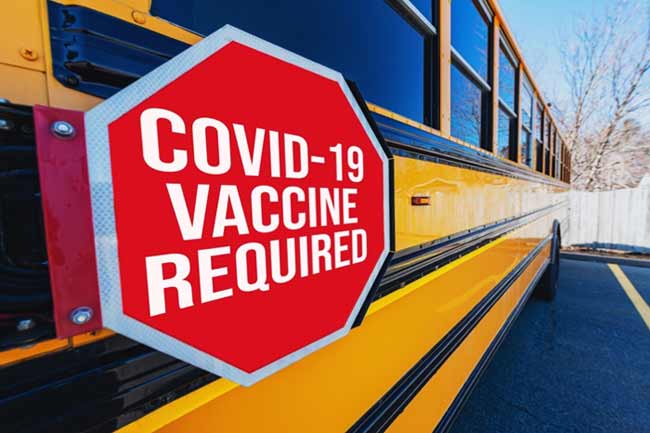
In closing, it is important to remember that the COVID-19 vaccine is the 17th vaccine U.S. health officials now direct doctors to give to children as young as five years old.287 When the FDA gives Pfizer the green light to distribute Comirnaty to children younger than that, the vaccine will be given to six-month old babies.
After 40 years of monitoring the science, policy, law and ethics of vaccination, my greatest concern is that this new vaccine eventually will be mandated for all infants and children, just like almost all vaccines that industry has created in the past century have been mandated.
We are responsible for protecting our children from harm, our children, who are now the most chronically ill and disabled children in the history of our nation.
Two in five children between six and 17 years old suffer with some kind of inflammatory immune or brain disorder like asthma, diabetes and epilepsy,288 and 1 child in 6 is developmentally delayed,289 but there are no credible explanations coming from public health officials for why so many of our children are growing up sick and disabled and face a lifetime of chronic poor health.
Debate About Vaccination Is More Than 200 Years Old
Before the current public debate about COVID vaccine, there have been public debates about the wisdom of giving children many other vaccines that were very reactive. I joined with parents of DPT vaccine injured children to launch the modern vaccine safety and informed consent movement in 1982 because we wanted the toxic, highly inflammatory whole cell pertussis vaccine that had harmed our children taken off the market.290,291
We followed mothers and fathers in the 19th century, who protested the reactivity of the smallpox vaccine.292,293
Our activism in the late 20th century was followed by parents speaking out in the early 1990s about what happened to their children after being given the first genetically engineered vaccine for hepatitis B,294,295,296 followed by young mothers and fathers in the early 21st century once again asking government, industry and the medical establishment to expand knowledge about vaccine side effects and who is at highest risk.297,298,299
The charged debates about flawed vaccine science and the violation of the human rights inherent in mandatory vaccination laws have not changed in two hundred years. The fact that the debate about vaccination will not go away — no matter how much money and political power is thrown at it to make it go away — only confirms the universal need for it.
Moral and Legal Right to Make Voluntary Vaccination Decisions
As a mother, you have the moral right and must have the legal right to gather as much information as you can about COVID disease and the COVID vaccine, consult with a trusted health professional, and then follow your conscience and your gut instincts when making a decision about whether or not your child should get vaccinated — without being coerced or sanctioned by anyone for the decision you make.300
If you want to work in your state to protect your legal right to make a voluntary decision about vaccination, go to NVICAdvocacy.org and become a registered user of the free NVIC Advocacy Portal so you can stay informed about good or bad vaccine bills moving in your state and take action.
Last year, after NVIC worked with families across the country to successfully hold back state COVID vaccine mandates after the federal government issued strict vaccine mandates for both federal and private company employees, about 20 states passed laws in some way prohibiting COVID vaccine mandates or vaccine passports.
Not one state legislature passed a law mandating the COVID vaccine, even as Governors and local state officials in a few states enacted COVID vaccine mandates without getting legislature approval.301
Sign up for NVIC’s texting service and get NVIC’s weekly journal newspaper — The Vaccine Reaction — in your email box to stay up to date on breaking news.302 Read and download vaccine education information from NVIC.org and share it with your friends, family, legislators and thought leaders in your community.
Be the one who never has to say you did not do today what you could have done to change tomorrow. It’s your health, your family, your choice. And our mission continues: No forced vaccination. Not in America.

from Articles https://ift.tt/n521ZIX
via IFTTT
